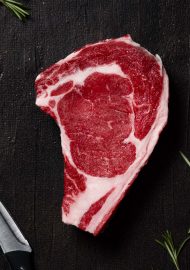

A rich, homemade stock is the best way to elevate home cuisine. Store-bought cartons are convenient, but they can’t compare to the rich nutrition, silky body, and rich flavour of a slow-simmered, homemade broth. Every soup, stew, and sauce you create is improved by using common kitchen scraps like marrow bones and raw meat trim as a liquid base.
The Magic of Marrow and Trim
Collagen and bone marrow are the key components of a great broth. Marrow bones from beef and lamb are rich in flavour, vital minerals, and good fats. There is a lot of connective tissue in joint bones including shin cuts, neck bones, and knuckles. The collagen decomposes into gelatine while things simmer for several hours. This turns your stock into a solid jelly when refrigerated in the refrigerator and gives it a rich, velvety mouthfeel when heated.
The fundamental savoury character is improved, and vital protein is provided by adding raw beef trim, poultry backbones, or pork offcuts. When you combine meaty trim with dense marrow bones, your broth will have a strong taste and a solid body.
Prepping Your Ingredients
Little active work is needed to create a remarkable stock, but crucial preparation stages are crucial:
- Roast for Richness: Turn the oven on to high heat and roast your trim and bones until they are a rich golden brown. The result is a dark, amber soup with intricate roasted flavours as the surface proteins caramelize.
- Prepare the Veggies: Don’t add too many vegetables. Garlic cloves, onions, carrots, celery, and fresh herbs like bay leaves and thyme enhance but do not overshadow the meat. For a natural colour boost, leave the onion skins on.
- Acid Extraction: During the simmering phase, a tiny amount of lemon juice or apple cider vinegar can be added to the pot to assist extract important minerals from the bones.
The Slow Simmer Process
Pour the aromatics, trim, and roasted bones into a large stockpot. Make sure everything is a few inches submerged by covering it with cold water. A clearer broth is produced by the slow dissolution of proteins in cold water.
Reduce the heat to the lowest level as soon as the pot reaches a moderate boil. Instead of a raging boil, which breaks up fats and clouds the soup, you want a light, sluggish bubble.
Pork or poultry bases should be simmered for four to six hours. For optimal collagen extraction, give dense cow and lamb marrow bones eight to twelve hours. During the first hour, periodically skim off any foam or contaminants that float to the top.
Straining and Storing
Pour the broth through a fine mesh strainer into clean bowls or glass jars after it has a full body and rich colour. Throw away the solids. Before putting the liquid in the refrigerator, let it cool to room temperature.
A solid layer of fat will rise to the top and solidify as it cools. Your broth will stay fresh in the refrigerator for up to five days if you leave this fat layer in place. Just scrape off the top fat cap when you’re ready to use it as a delicious cooking fat for searing meats or roasting potatoes.
Pour the broth into ice cube trays or freezer-safe containers for extended storage, which will keep an instant flavour supply on hand for up to six months.