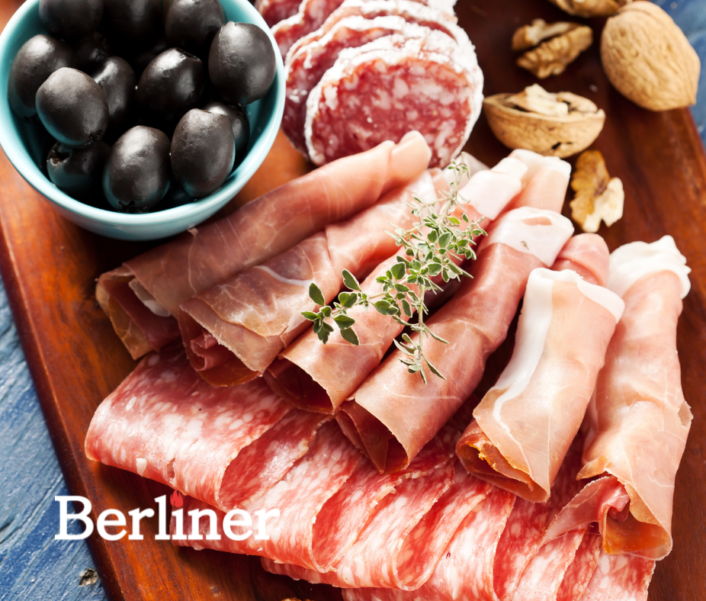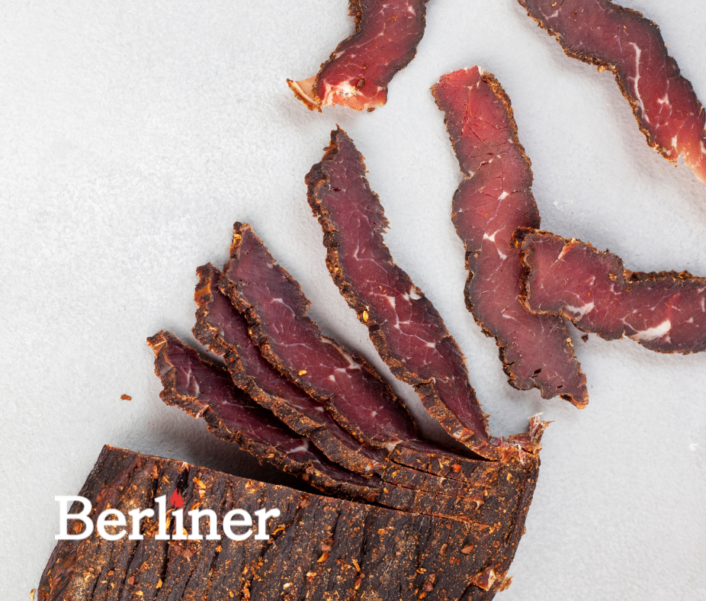

When you look through the glass at a premium butchery counter, your eyes are naturally drawn to the rich colour, the intricate patterns of white marbling, and the thickness of the cuts. But if you take a closer look at the wholesale primal pieces or the back of a high-quality product label, you will notice a distinct, small combination of letters and numbers, such as A2, AB3, or C2.
To the untrained eye, these markings look like a confusing industrial barcode. They form the official language of the South African beef classification system.
Understanding this coding system is the ultimate way to demystify your meat purchases. It gives you immediate, objective information about exactly what you are buying, how tender it will be, and the best way to cook it before the meat even touches a pan or a grid.
Here is how to decode the counter stamps like a seasoned professional.
Decoding the Letter: The Age of the Animal
The alphabet component of the stamp is a direct indicator of the animal’s age profile. Age is the single most critical factor determining the natural tenderness of the muscle fibres. As cattle grow older, their muscles do a lot more physical work, which strengthens the connective tissue and changes the overall density of the meat.
The national classification breaks down into four primary age brackets:
- Class A: This meat comes from the youngest animals. Because the muscle groups have experienced very little exertion, the tissue remains incredibly soft and yielding. Class A beef is the absolute gold standard for rapid, high heat cooking techniques, making it the ideal choice for your quick braai steaks, tender sirloins, and juicy ribeye’s.
- Class AB: This is the intermediate category, representing animals that are slightly older. It offers an exceptional compromise for culinary enthusiasts, beautifully balancing the natural tenderness of a younger cut with the deeper, more complex beefy flavour characteristics that develop as an animal matures.
- Class B: Sourced from older animals, this classification features a much firmer grain structural profile. While it may lack the immediate melt in your mouth texture of a Class A cut, it boasts an incredible depth of rich, old school beef flavour that you simply cannot get from younger livestock.
- Class C: This group represents mature cattle. The meat is naturally tough if subjected to fast cooking methods, but it carries an unparalleled, concentrated flavour profile. Class C cuts are the hidden champions of the kitchen, specifically engineered by nature for low and slow cooking, rich winter stews, and legendary potjiekos.
Decoding the Number: The Fat Cover Index
Directly next to the age letter, you will find a single digit ranging from 0 to 6. This number represents the official fatness class, measuring the thickness of the external fat layer covering the carcass.
Fat is not just excess weight; it is the insulation that protects the meat during the cooling process and the primary carrier of culinary flavour.
- Class 0: Absolutely no visible fat coverage. This meat is incredibly lean, but it risks drying out almost instantly if subjected to high heat.
- Class 1 to 2: These numbers indicate a lean to medium fat coverage. Class 2 is widely considered the absolute sweet spot for everyday grilling and roasting, providing just enough external fat to self-baste the meat during cooking without creating excessive waste.
- Class 3 to 4: This represents a much heavier, more luxurious layer of fat coverage. These profiles are highly prized by traditional slow cooking enthusiasts and brisket smokers, as the abundant fat breaks down over long periods to keep the meat incredibly moist.
- Class 5 to 6: This indicates an excessively over-fattened profile, which is generally trimmed away by the butcher before it ever reaches the display counter.
Matching the Stamp to Your Menu
Once you know how to read the grid, you can shop with absolute precision based on your specific culinary goals.
If your plan for the evening involves building a roaring wood fire to flash sear some premium steaks for a casual family gathering, you want to ask your butcher for an A2 or A3 profile. This guarantees maximum tenderness combined with the perfect amount of fat to build an incredible, caramelized exterior crust.
Conversely, if you are planning a weekend project that involves spending four hours slowly reducing a rich, aromatic beef shin potjie over low coals, skip the delicate Class A shelf entirely. Instead, look for a Class B or Class C cut with a fat score of 2 or 3. The tougher grain will hold its structural shape perfectly over hours of simmering, while the deeper flavour profile will infuse your entire sauce with a spectacular richness that a younger steak could never deliver.
The classification stamp is not there for the industry; it is a tool for the consumer. Next time you visit the counter, look past the basic price tag and read the code. It is the easiest way to guarantee that your cooking method matches your meat perfectly, ensuring every meal is a total success.