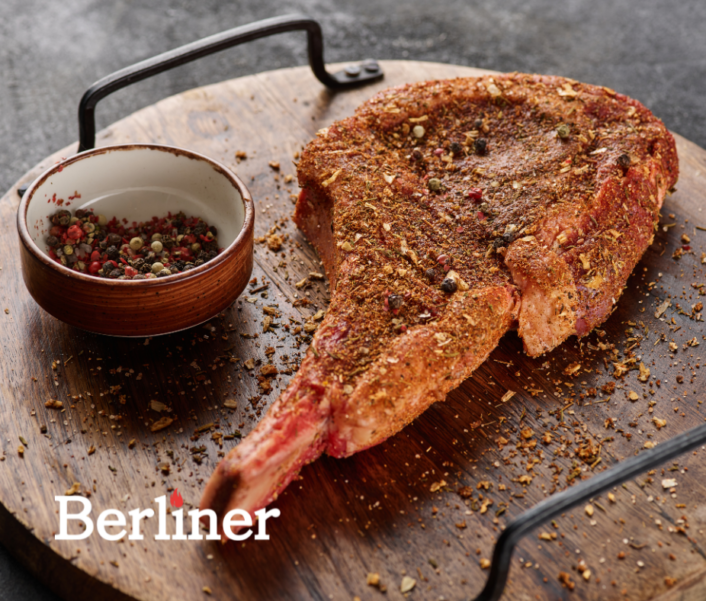
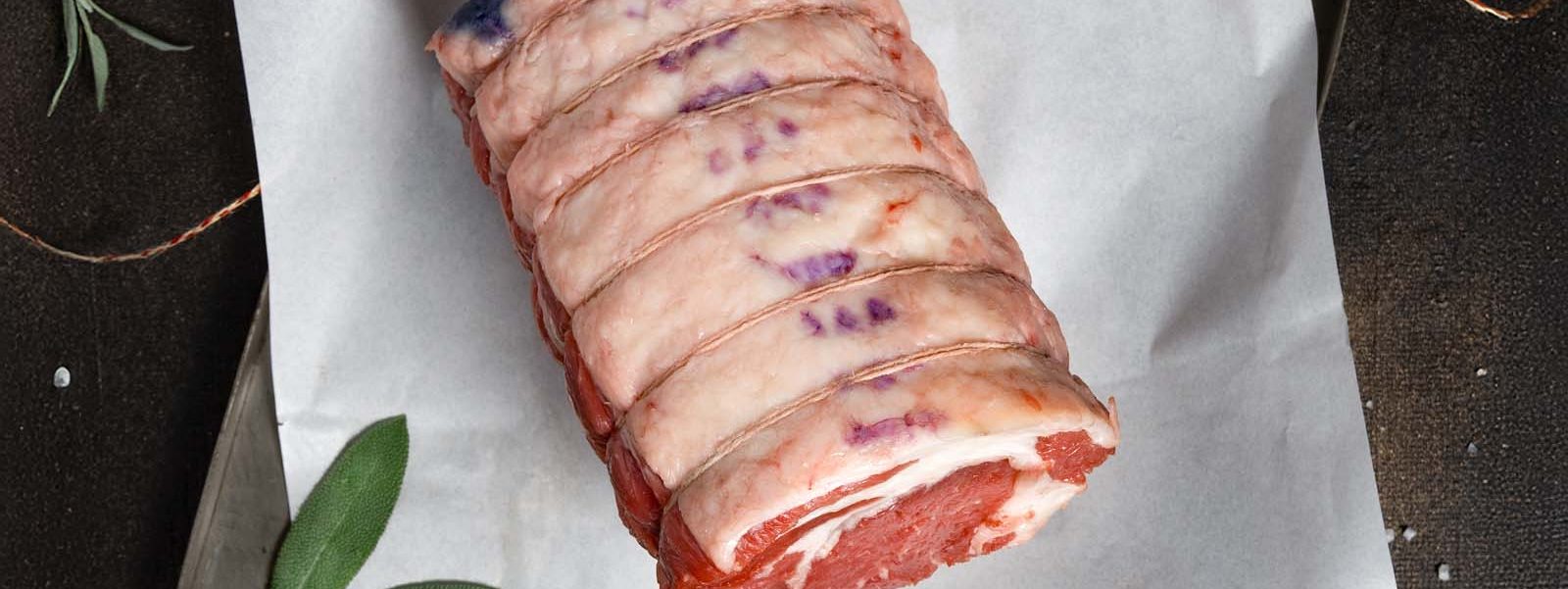
The smell of a roasted joint filling up a house has a really nostalgic quality. Sunday roasts are more than just a meal in South Africa; they are a custom that unites families. However, you need more than simply a recipe to get that “Best of Johannesburg” quality at home. The proper method, the proper temperature, and above all the proper cut from your neighbourhood butcher are essential. At Berliner, we take great satisfaction in offering the best trademark lamb and beef. This guide will follow you through every step of the process to guarantee a masterpiece every time, whether you’re cooking a traditional leg of lamb or a luscious ribeye roast.
The Step-by-step
1. Selecting your signature
The butcher counter is where the key to a high quality roast begins.
For the Lover of Beef
- Prime Rib (Rib Roast): Many people refer to this as the “king of roasts.” It has a lot of fat marbling, which melts when the meat cooks, baste it from the inside out.
- The Fillet: The most delicate choice. Because it is lean, maintaining its luscious texture demands careful timing and premium sourcing.
- Sirloin Roast: An excellent middle ground with a delicious fat cap that fries up beautifully.
For Lamb Lovers
- Leg of Lamb: The classic option for a family get together. It is delicious, lean, and resilient to strong herbs like garlic and rosemary.
- Lamb Shoulder: The shoulder has more fat and is ideal for slow roasting over several hours if you want a “fall off the bone” texture
2. Crucial preparation (24 hours prior)
The majority of home chefs make the error of putting the meat in the oven right out of the refrigerator. Use these preparation techniques to achieve that Berliner professional finish:
- The Dry Brine: At least four to twenty four hours prior to cooking, liberally salt your meat. As a result, the meat is deeply seasoned and the surface dries off for a better crust, allowing the salt to permeate the fibres.
- Tempering: Take the meat out of the refrigerator one to two hours prior to roasting. Even cooking is ensured by bringing the internal temperature closer to ambient temperature. The surface will overcook before the centre is done if it is too chilly.
- Pat it Dry: Use paper towels to remove any surface moisture. Moisture is the enemy of the “Maillard reaction” the chemical process that creates that delicious brown crust.
3. Flavour profiles and seasoning
The correct aromatics can enhance the flavour of our meat, even while it is already good enough to stand alone. Keep to the classics when it comes to beef: sea salt, coarse black pepper, and maybe some horseradish or English mustard. For lamb, make tiny cuts in the meat and insert fresh garlic slices and rosemary sprigs. A gentle massage of lemon zest and olive oil is quite effective.
4. The process of searing
You have two options for locking in flavour:
- The Traditional Sear: Before placing the meat in the oven, brown it in a heavy pan with a small amount of oil over high heat.
- The Reverse Sear: This involves starting the meat in a very low oven (120°C) until it reaches the internal temperature you want, then finishing it for five minutes under the grill or in a scorching hot pan to obtain the crust. The most uniform “pinkness” from edge to edge is produced with this technique.
5. Master the Internal Temperatures
Stop guessing. Use a meat thermometer if you want a high quality outcome. This is your beef cheat sheet:
| Cooked to | Take out from oven at | Final temp. (after cool down) |
| Rare | 48°C / 118°F | 52°C / 126°F |
| Medium-rare | 52°C / 126°F | 57°C / 135°F |
| Medium | 60°C / 140°F | 63°C / 145°F |
Note: For Lamb, aim for a final temperature of 60°C/140°F to 63°C/ 145°F for a perfect medium-pink.
6. The final and most underrated step
Meat’s muscular fibres tighten and force juices toward the centre as it cooks. You will have dry meat if you cut into it right away, since the juices will spill onto the cutting board.
Give your roast a minimum of 20 to 30 minutes to rest. Use foil to tent it loosely. Every bite melts because the fibres relax and reabsorb the fluids during this period.